
Comparing Operator Tools for Safer Slot Play
Fast Cashout Casino: How to Assess Withdrawal Times
November 17, 2026Canadian Payment Checks Before a Slot Withdrawal
November 17, 2026
Responsible gambling controls are easiest to use when they are chosen before entertainment turns into an emotional decision. For Canadian adults considering sweet bonanza, the important distinction is between features built into the game and safeguards managed by the casino hosting it. Understanding that division helps players check available limits, plan sessions and avoid assuming that one slot screen provides complete protection.
Which controls belong to the casino?
The game itself can provide practical information and certain playing controls, but it does not manage the player’s account. Its information screen may show the applicable rules, stake settings and RTP for the loaded configuration. A game-history option may also display previous rounds. These details can help with transparency, yet they do not set a personal spending ceiling or prevent a player from returning later.
Account-level safeguards are controlled by the operator. Depending on the casino and the rules applying in the player’s province, these may include deposit limits, loss limits, session reminders, cooling-off periods and self-exclusion. Login security, account recovery, identity checks and support for gambling concerns also sit with the operator rather than the game developer.
This distinction matters when comparing sites. A colourful interface, autoplay setting or visible game history should not be treated as evidence that the casino offers every protection a player may want. Before playing, review the responsible-gambling page, account settings and support channels. If the available controls are unclear, ask the operator how they work, when they take effect and whether they apply across the whole account.
How can a player set a useful spending boundary?
A limit works best when it is decided before a session begins and based on discretionary money rather than rent, food, debt payments or emergency savings. Choose a maximum amount that can be lost without affecting ordinary obligations. A smaller session amount can then be taken from that wider budget, leaving no reason to increase it simply because a short run has gone badly.
Where the operator provides deposit or loss limits, read the definition carefully. A deposit limit may restrict money added to the account, while a loss limit can be calculated differently depending on the operator’s terms. Check the period covered, whether the setting applies to all games and whether increases are delayed. Do not assume that a limit on one device or game automatically covers every account activity.
Autoplay can include stop conditions such as reaching a selected win or loss amount, triggering a feature or changing the balance by a chosen figure. These settings may be useful for structure, but they are not a substitute for a firm budget. If a stop condition is unavailable or easy to override, use a timer and leave the account when the planned session ends.
Why do game settings not remove financial risk?
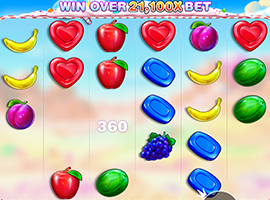
The slot uses a 6×5 grid and a Tumble system, meaning wins can lead to further symbol drops within the same paid spin. Free Spins can also be triggered by four or more Scatter symbols, while multiplier bombs may appear during that feature. These mechanics can make a session feel extended or unusually active, but every paid spin still carries financial risk.
A published RTP is a long-run statistical measure, not a prediction for one evening. The exact configuration can differ between operators, so the figure shown in the loaded game’s information screen is the relevant one. Short demo play cannot prove the actual return, volatility or likelihood of a feature in later real-money rounds.
Optional settings deserve particular caution. An Ante Bet-style option can raise the stake by 25% to increase the chance of triggering Free Spins naturally, while a Bonus Buy, where permitted, may cost 100 times the selected base bet. Neither option improves a personal budget. If a feature requires a larger stake than planned, leave it disabled rather than treating it as a way to recover earlier losses.
When should a player pause or stop?
Stop rules should cover emotional situations as well as money. Chasing losses, increasing stakes after a disappointing result, hiding play from someone close, borrowing to continue or feeling unable to end a session are warning signs. So are repeated attempts to win back a planned budget after it has been spent. A pause is useful even when the amount lost appears manageable.
Use a practical interruption plan: close the game, sign out, move away from the device and wait before making another decision. Removing stored payment details or asking the operator about a cooling-off period can add friction. If self-exclusion is selected, confirm its scope and duration with the casino, because the process and account effect are operator-controlled.
Support does not need to wait for a crisis. A trusted person can help review spending, notice changes in behaviour and reinforce a decision to take time away. Canadian readers can also consult Canadian responsible gambling information for general education and support direction. That resource does not confirm the features or terms of any particular casino; the operator remains the source for account controls.
What should be checked before choosing an operator?
Start with the controls, not the game theme. Look for clearly explained deposit, loss, session and self-exclusion options, along with a support contact that can answer questions. Check whether limits apply immediately, whether they can be increased only after a delay and whether a cooling-off request blocks access rather than merely sending a reminder.
Next, read the operator’s terms for account and promotional conditions. Bonus funds and promotional free spins can have wagering requirements, expiry dates, maximum-bet rules and game-contribution limits. These are separate from the slot’s built-in Free Spins feature. A promotion may also complicate the amount that can be withdrawn, so do not count bonus balances as available spending money.
Finally, confirm the game information after it loads. Review the stake range, RTP configuration, available options and any autoplay settings. Keep records of deposits and withdrawals, and do not rely on a general description found elsewhere when the in-game screen or casino terms provide a more specific answer. If provincial availability, age requirements or account eligibility are uncertain, ask the operator before depositing.
Frequently asked questions
Does the game itself offer responsible-gambling limits?
No. The game may show rules, game history and, depending on the implementation, autoplay stop conditions. Deposit limits, loss limits, session controls, cooling-off periods and self-exclusion are managed by the casino hosting it. Availability and operation can differ by operator and by the rules applying in the player’s province.
Is a higher RTP a safer gambling setting?
No. RTP describes expected long-term return across many rounds and does not predict an individual session. It does not set a spending limit or prevent losses. Check the RTP displayed in the loaded game because operators may use different configurations, then base decisions on a fixed entertainment budget.
What should someone do after exceeding a planned budget?
Stop playing rather than trying to recover the money. Sign out, use any available cooling-off or self-exclusion control, and contact the operator if you need help restricting the account. Speaking with a trusted person or a Canadian support service can also provide useful distance before making further financial decisions.
